
Beyond the Bill: Why Accurate Sales Tax Management Matters for Restaurants
by Ariane Ramil, VP, Development
In the restaurant industry, operational speed and financial accuracy go hand in hand. Every transaction – from a dine-in meal to a takeout order – creates financial data that must be properly recorded and reported. One of the most critical yet often overlooked components of restaurant accounting is the accurate calculation and timely filing of sales taxes.
Sales tax compliance is more than a regulatory requirement. For restaurant operators, it directly impacts financial reporting, cash flow management, and operational efficiency. With restaurants processing hundreds or thousands of transactions daily, even small inaccuracies in sales tax calculations can compound into significant discrepancies over time.
This is why restaurant operators must establish strong systems and processes to ensure sales tax is properly calculated, reconciled, and filed across all jurisdictions where they operate.
Understanding Sales Tax in the Restaurant Industry
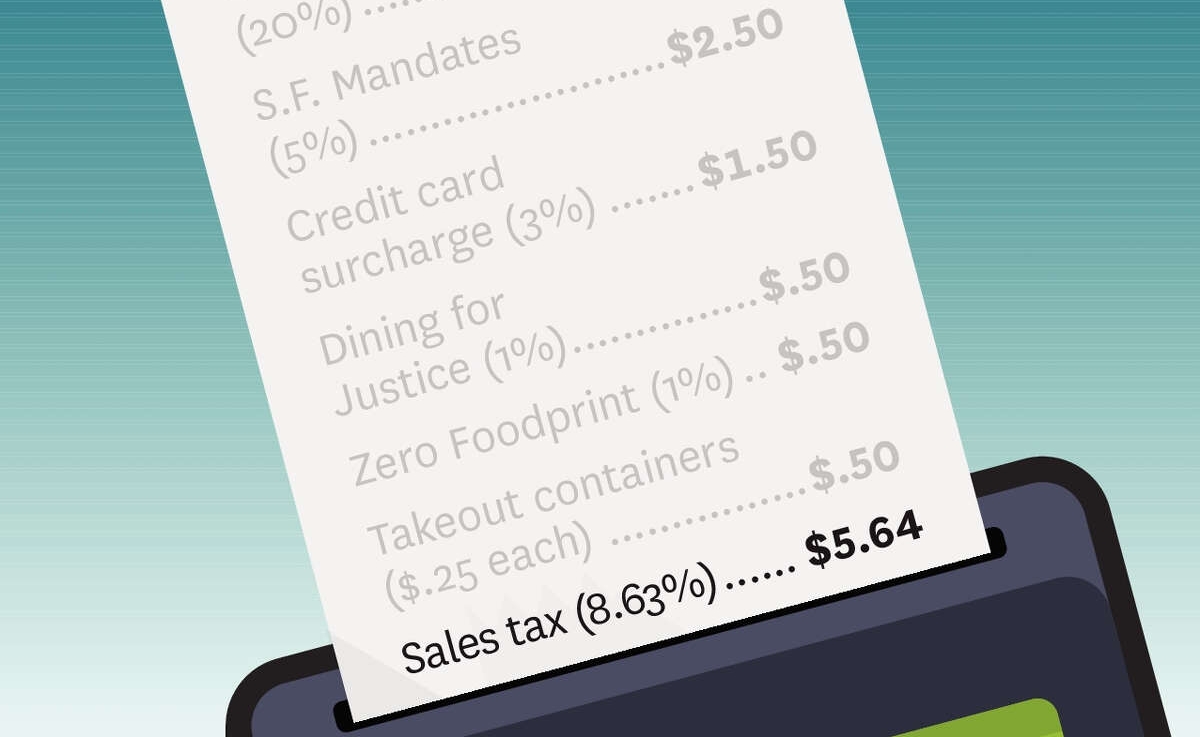
Sales tax is a consumption tax imposed by state and local governments on the sale of goods and certain services. In the United States, restaurants are required to collect sales tax from customers at the point of sale and remit those taxes to the appropriate tax authorities.
Unlike income tax, which businesses pay on their earnings, sales tax is collected on behalf of the government. Restaurants act as intermediaries responsible for accurately collecting, recording, and submitting these taxes.
However, sales tax compliance is not uniform across the country. Each state – and often individual counties or cities – may have different tax rates and rules. For example:
- Some states apply a standard sales tax to all food and beverage items.
- Others have special rules for prepared food versus grocery items.
- Certain jurisdictions impose additional local or hospitality taxes.
- Alcoholic beverages may be taxed at different rates.
For restaurant operators with multiple locations across different states, managing these variations can become increasingly complex.
Compliance Requirements Across Different States
Restaurants must comply with the sales tax regulations applicable in every state or locality where they operate. This includes:
- Applying the correct sales tax rates at the point of sale
- Properly categorizing taxable versus non-taxable items
- Maintaining accurate sales records
- Filing periodic sales tax returns
- Remitting collected taxes to the appropriate tax authorities
Depending on the jurisdiction, sales tax filings may be required monthly, quarterly, or annually. Missing deadlines or submitting inaccurate filings can result in penalties, interest charges, and in severe cases, audits.
For restaurant operators managing multiple stores or franchises, this administrative burden increases significantly without the right systems in place.

Operational Risks of Sales Tax Non-Compliance

Failure to accurately calculate and file sales taxes can create several operational and financial risks for restaurant businesses – such as revoking of seller’s permit, garnishing of operational properties or worst, operations shutdown.
Financial Penalties and Interest
Tax authorities impose penalties for late or incorrect filings. These penalties can quickly accumulate, particularly for restaurants with large sales volumes.
Increased Audit Risk
Consistent discrepancies or late filings may trigger tax audits. Audits require extensive documentation and can disrupt normal business operations.
Cash Flow Challenges
Since restaurants collect sales tax from customers but hold the funds until remittance, inaccurate tracking may lead to using those funds for operating expenses. When filing time arrives, businesses may struggle to cover the required payment.
Operational Inefficiencies
Sales tax discrepancies often require time-consuming investigations, manual corrections, and reconciliation efforts by accounting teams.
How Sales Tax is Calculated in Restaurant Businesses
At a basic level, sales tax is calculated by applying the applicable tax rate to taxable sales. However, restaurant environments add layers of complexity.
Typical taxable components include:
- Food and beverage sales
- Alcohol sales
- Catering services
- Delivery fees (in some jurisdictions)
Certain items may be exempt or treated differently depending on state laws. For example, packaged food items sold for off-premise consumption may be taxed differently than prepared meals.
To compute sales tax accurately, restaurants must:
- Determine taxable sales for each category
- Apply the correct state and local tax rates
- Account for discounts, refunds, or voided transactions
- Record taxes collected separately from revenue

Because restaurants process large transaction volumes daily, this calculation is typically handled automatically through the point-of-sale (POS) system.
Reconciling Sales Tax Between POS and Accounting Records
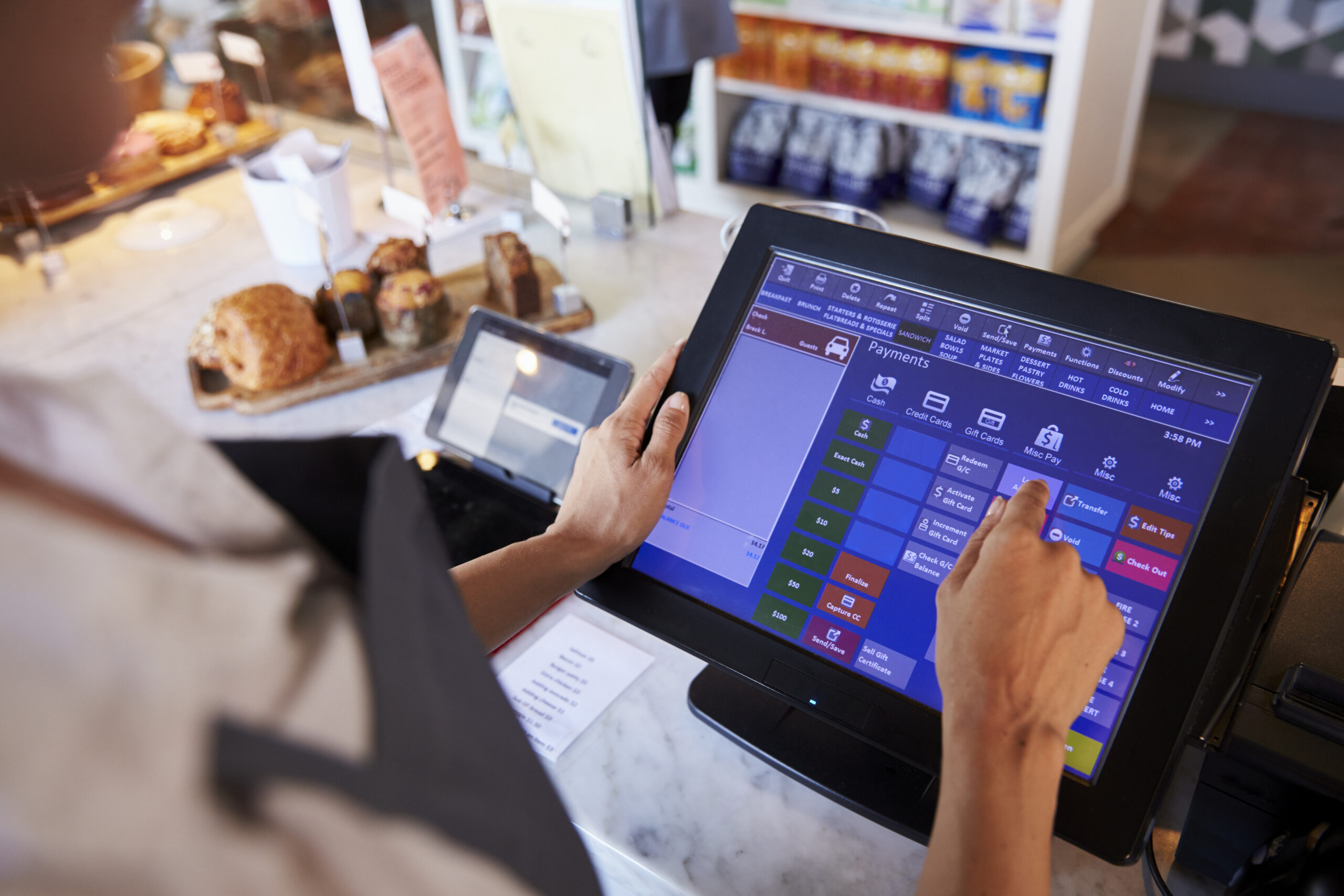
While POS systems calculate sales tax at the transaction level, accounting teams must still verify that the tax collected aligns with the amounts recorded in the financial system.
A typical reconciliation process involves comparing:
- Sales tax collected according to the POS
- Sales tax recorded in the accounting platform
- Sales tax payable recorded in the general ledger
Discrepancies can arise for several reasons:
- Incorrect tax configuration in the POS
- Manual adjustments or refunds
- Integration issues between POS and accounting systems
- Timing differences between recorded transactions and accounting entries
To resolve variances, accounting teams often perform the following steps:
- Extract detailed sales reports from the POS system.
- Compare taxable sales and tax collected against accounting records.
- Investigate unusual differences or adjustments.
- Correct errors in either the POS configuration or accounting entries.
- Update the sales tax payable balances accordingly.
Without automation, this reconciliation process can become labor-intensive – especially for restaurant groups with multiple locations.
The Impact of Timely and Accurate Sales Tax Filing
Ensuring that sales taxes are calculated and filed accurately delivers several strategic benefits to restaurant businesses.
Regulatory Compliance
Timely filing ensures that restaurants remain compliant with state and local regulations, reducing the risk of penalties and audits.
Financial Accuracy
Accurate sales tax accounting ensures financial statements correctly reflect revenue and liabilities.
Better Cash Flow Visibility
Clear tracking of sales tax payable helps operators understand how much tax liability exists at any given time.
Operational Efficiency
Automated processes reduce manual work for accounting teams and allow them to focus on more strategic financial tasks.
How Restaurant-Specific Accounting Platforms Improve Sales Tax Management

Modern restaurant accounting platforms have significantly improved the way restaurants handle sales tax compliance. One example is Restaurant365 (R365), a platform designed specifically for restaurant operations.
Restaurant365 integrates operational data with accounting workflows, helping restaurant operators maintain real-time financial visibility.
One of its key advantages is POS integration. With POS systems directly connected to the accounting platform, sales data – including sales tax collected – is automatically synced into the accounting system.
This provides several benefits:
Real-Time Sales Visibility
Sales tax collected at each store becomes visible in the accounting system almost immediately after transactions occur.
Automated Data Flow
Instead of manually importing POS reports, transaction data flows automatically into the accounting platform.
Simplified Reconciliation
Because POS data and accounting records originate from the same integrated system, discrepancies are easier to identify and resolve.
Centralized Multi-Location Management
For restaurant groups operating across multiple states, platforms like Restaurant365 allow accounting teams to monitor sales tax liabilities across all locations in one centralized dashboard.
Improved Reporting and Filing Preparation
Integrated systems generate accurate tax reports that support timely sales tax filings and reduce the risk of errors.
The Role of Outsourced Accounting Support
For many restaurant groups, especially those experiencing rapid growth, managing sales tax compliance internally can strain internal accounting resources.
This is where outsourcing accounting processes – particularly to specialized teams in the Philippines – can provide significant advantages.
Outsourced accounting teams experienced in restaurant accounting platforms like Restaurant365 can assist with:
- Sales tax reconciliation
- Multi-state sales tax tracking
- Monthly and quarterly tax reporting preparation
- Identifying discrepancies between POS and accounting records
- Supporting compliance and audit readiness
By leveraging outsourced accounting professionals alongside automated systems, restaurant operators can ensure both operational efficiency and regulatory compliance.

Conclusion
Sales tax compliance is a critical component of restaurant financial management. Because restaurants process high transaction volumes and operate under varying tax regulations across states, even minor inaccuracies can lead to significant operational challenges.
By establishing clear reconciliation processes, leveraging restaurant-specific accounting platforms such as Restaurant365, and ensuring timely filing of tax returns, restaurant operators can maintain compliance while improving financial transparency.
Ultimately, accurate sales tax management not only protects businesses from penalties and audits but also strengthens the financial foundation needed for sustainable growth in the competitive restaurant industry.