

7 Steps to a Faster, More Accurate Month-End Close for Restaurants
by Ariane Ramil, VP, Development
For restaurant operators, the end of the month should be more than a routine accounting exercise. It is an opportunity to understand how the business performed, identify potential problems, and make informed decisions for the weeks ahead.
But if financial statements aren't finalized until weeks after the month ends – or if the numbers aren't accurate – restaurant owners and operators may be making important decisions based on outdated information.
A well-structured restaurant month-end close process can help ensure financial statements are accurate, timely, and useful. Here are seven steps restaurants can take to make the process faster and more reliable.
1. Establish a Consistent Closing Schedule

The first step toward a faster month-end close is establishing a predictable process.
Every restaurant should have a clearly defined closing calendar that identifies:
- When the accounting period ends
- When sales and deposits must be reconciled
- When invoices and expenses must be submitted
- When payroll information is finalized
- When inventory counts are completed
- When bank and credit-card accounts are reconciled
- When financial statements will be reviewed
A consistent schedule creates accountability and helps prevent the month-end close from becoming a scramble.
It also allows everyone involved – from restaurant managers to bookkeepers and accountants – to understand exactly what information is needed and when it is due.
2. Reconcile Sales and Cash
Restaurant sales can come from multiple sources, including cash, credit cards, gift cards, third-party delivery platforms, and other payment methods.
That makes sales reconciliation an important part of the month-end close.
Accounting teams should compare the restaurant’s point-of-sale reports against deposits and accounting records to identify discrepancies. Credit-card deposits should also be reconciled to the appropriate sales and payment records.
Small discrepancies can become significant when multiplied across multiple locations or months.
For multi-unit restaurant groups, this process becomes even more important. A consistent reconciliation process across locations can help identify unusual variances and ensure that management is working with reliable revenue figures.

3. Make Sure All Expenses Are Recorded in the Correct Period

One of the most common causes of inaccurate restaurant financial statements is timing.
For example, a restaurant may receive an invoice for $10,000 in March but not pay it until April. If the expense belongs to March, it should generally be reflected in March’s financial statements.
This is where accrual accounting becomes important.
Before closing the books, accounting teams should make sure they have captured expenses such as:
- Food and beverage purchases
- Rent and occupancy costs
- Utilities
- Payroll and payroll-related expenses
- Insurance
- Professional services
- Repairs and maintenance
- Other recurring operating expenses
The goal is to make sure the financial statements reflect the economic activity that occurred during the month – not simply the transactions that happened to be paid during that month.
The Importance of Standard Operating Procedures
4. Reconcile Bank, Credit-Card and Balance-Sheet Accounts
A restaurant’s income statement may get most of management’s attention, but balance-sheet accounts are equally important to an accurate month-end close.
Bank accounts, credit-card accounts, loans, accounts payable, prepaid expenses, fixed assets, and other balance-sheet accounts should be reconciled regularly.
This process can uncover:
- Duplicate transactions
- Missing transactions
- Incorrect account classifications
- Unrecorded expenses
- Outstanding checks
- Incorrect deposits
- Other bookkeeping errors

A reconciliation isn’t simply a box to check. It provides an opportunity to verify that the accounting records actually correspond with what is happening financially within the business.
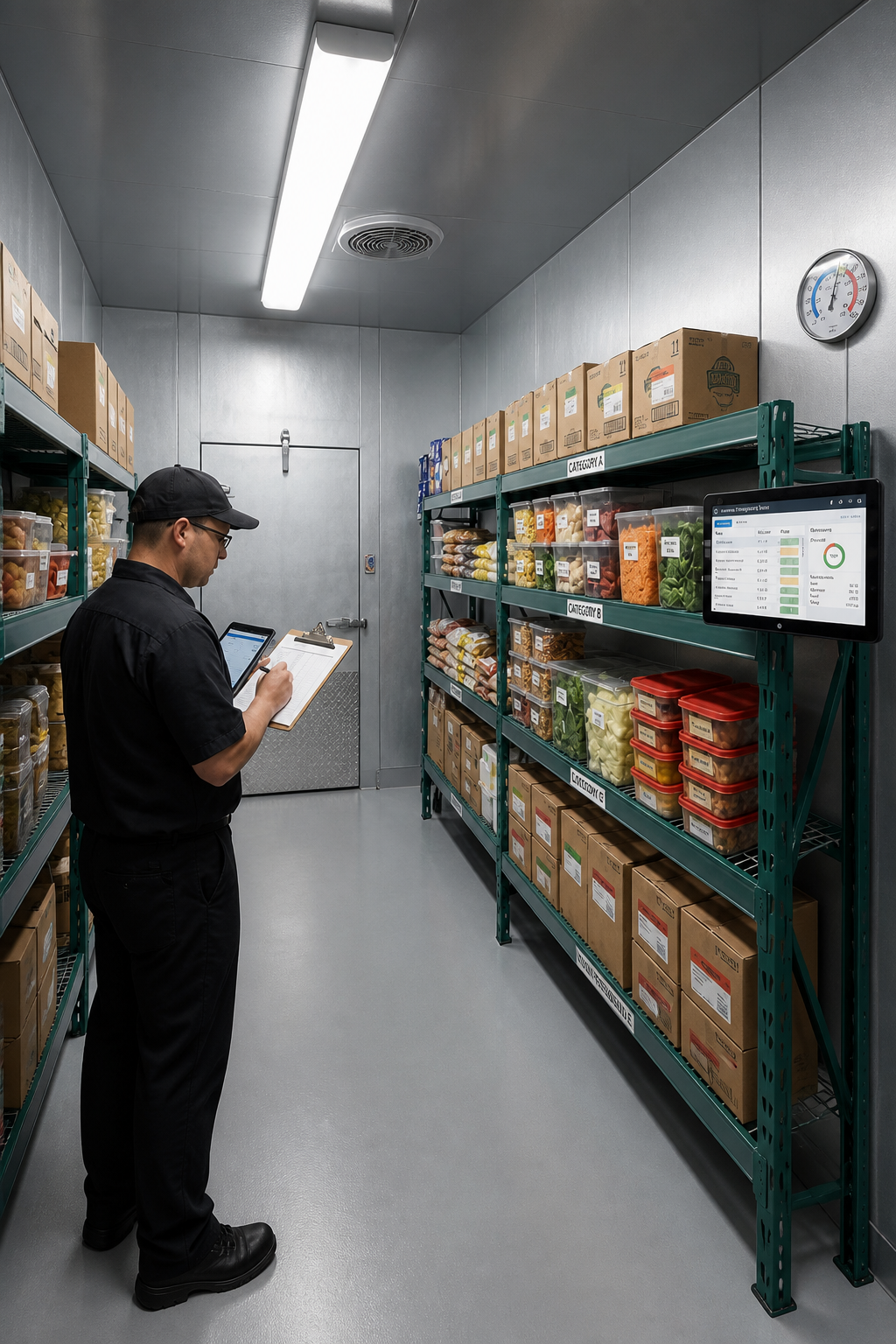
5. Reconcile Inventory and Cost of Goods Sold
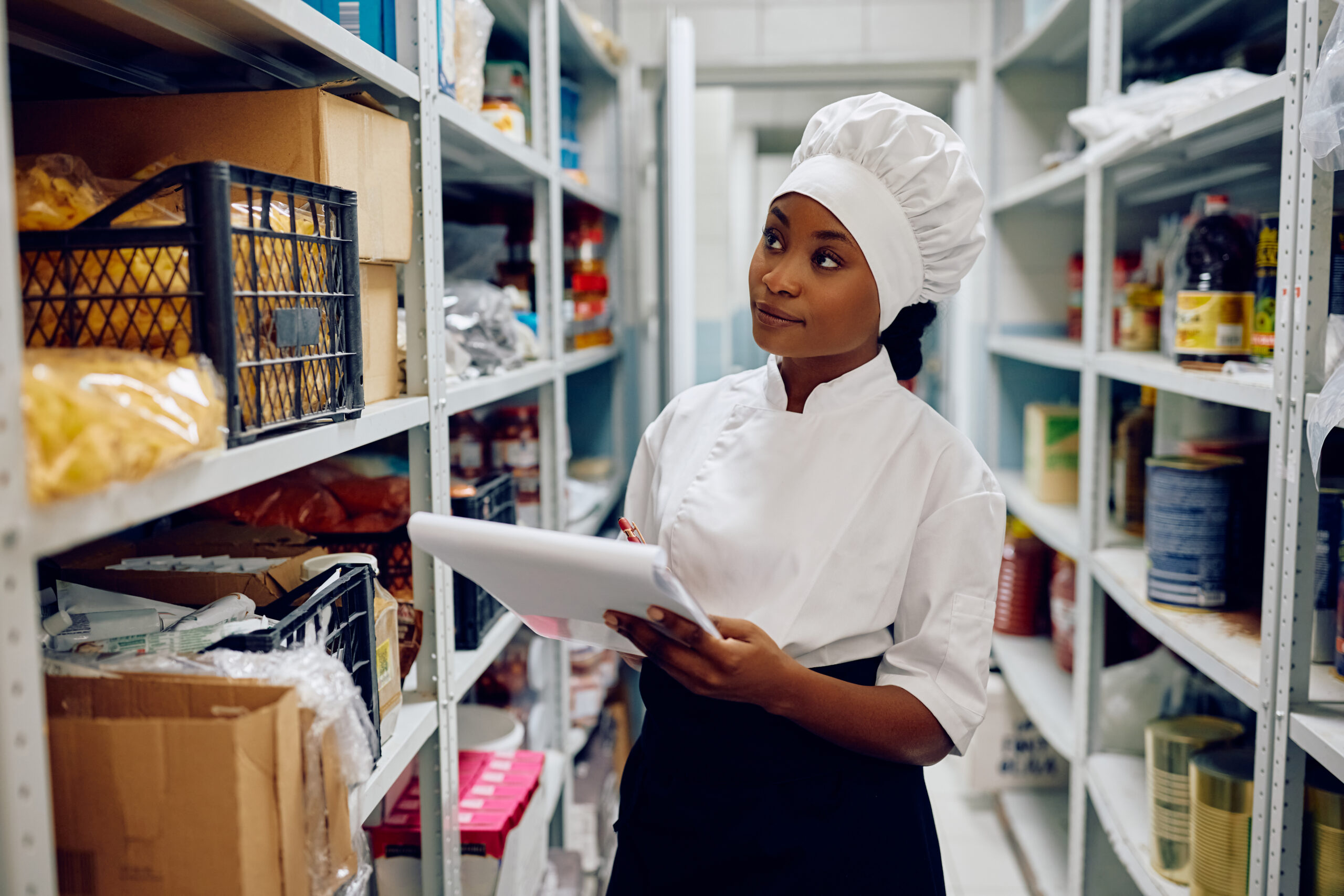
For restaurants, inventory and COGS can have a significant impact on profitability.
An inaccurate inventory balance can distort food cost percentages and ultimately make the restaurant’s financial performance look better – or worse – than it actually is.
The month-end process should include reviewing inventory counts and making sure purchases, inventory adjustments, and cost-of-goods-sold calculations are being recorded appropriately.
This is especially important when food costs are being closely monitored.
If a restaurant’s food cost suddenly increases from 29% to 34%, management needs to know whether that increase is the result of:
- Higher ingredient prices
- Waste or spoilage
- Portion-control issues
- Purchasing problems
- Inventory-count inaccuracies
- Theft or loss
- Changes in menu mix
- An accounting error
Accurate accounting gives operators a starting point for asking the right operational questions.
6. Review the Financial Statements – Don’t Just Produce Them
Once the accounting entries and reconciliations are complete, it’s time to review the financial statements.
But simply generating a P&L isn’t enough.
Restaurant operators should look for meaningful changes in areas such as:
- Sales
- Food and beverage costs
- Labor
- Prime cost
- Occupancy
- Operating expenses
- EBITDA or operating profit
- Cash flow

Comparing the current month to the previous month, prior year, and budget can help identify trends and unusual variances.
For example, if sales increased by 8% but labor costs increased by 15%, that’s something management should investigate.
Likewise, if revenue remained relatively flat while food costs increased significantly, there may be an operational issue that needs attention.
The purpose of financial reporting isn’t simply to document what happened. It’s to help management understand why it happened and what to do next.
7. Create a Month-End Close Checklist and Assign Responsibility

The final step is to turn the entire process into a repeatable system.
A month-end close checklist should identify every task that needs to be completed, who is responsible for it, and when it needs to be finished.
| Task | Responsible Party | Deadline |
| Finalize sales reports | Location Manager | Day 1 |
| Submit outstanding invoices | Management | Day 2 |
| Reconcile bank accounts | Accounting | Day 4 |
| Reconcile credit cards | Accounting | Day 4 |
| Review inventory | Operations/Accounting | Day 5 |
| Record accruals | Accounting | Day 5 |
| Complete financial statements | Accounting | Day 7 |
| Management review | Ownership/Management | Day 8 |
The specific timeline will vary depending on the size and complexity of the restaurant group, but establishing clear ownership helps prevent tasks from falling through the cracks.
How Fast Should a Restaurant Close Its Books?
There’s no single right answer for every restaurant, but the faster the financial statements can be finalized without sacrificing accuracy, the more useful they become.
A single-location restaurant may be able to close its books within a week. A larger multi-unit operation may require additional time and coordination.
The important thing is consistency.
A restaurant that routinely closes its books 7–10 days after month-end can make decisions based on current information. A restaurant that takes 30 or 45 days may find that the financial statements are telling management what happened long after the opportunity to address it has passed.
Faster Isn’t Better If the Numbers Aren’t Accurate
There is a natural temptation to focus exclusively on speed.
But a fast close with inaccurate numbers isn’t particularly useful.
The goal should be a faster AND more accurate month-end close.
That requires standardized processes, clear accountability, timely information, proper reconciliations, and someone who understands the unique accounting requirements of the restaurant industry.
For restaurant groups that don’t have the internal resources to manage these processes effectively, outsourced restaurant accounting can provide the expertise and consistency needed to keep the books current and financial reporting reliable.
At Restaurant & Retail Financial Management Group (RRFMG), we help restaurant operators manage the accounting and financial processes behind their businesses – from monthly accounting and financial reporting to cash-flow forecasting and other project accounting needs.
Because when your books are accurate and up to date, you’re not just closing the books faster.
You’re giving yourself better information to run the business.
For more information, please fill out the form below. We’ll circle back with you shortly to discuss your requirements in further detail.

We’d love to Meet You In Person Or Via The Web!
If you have any questions, or just want to learn more about how our services can contribute to your operation’s success, please fill out the form and we’ll respond as soon as we can. Alternatively, call us directly at (818) 888-9579.













Leave A Comment