
How Outsourced Accounting Simplifies Restaurant Capital Expenditure Tracking
by Ariane Ramil, VP, Development
Restaurants constantly invest in equipment, technology, renovations, and new locations to improve operations and enhance guest experiences. While these investments are essential for growth, they also represent significant uses of cash. Without proper monitoring, restaurant operators can quickly lose visibility over spending, exceed budgets, or misclassify expenses, leading to inaccurate financial reporting and poor decision-making.
Effective capital expenditure tracking is therefore a critical part of restaurant financial management. Increasingly, restaurant operators are turning to outsourced accounting teams to manage this process, allowing operations leaders to focus on running the business while ensuring investments are carefully monitored and reported.
Understanding Capital Expenditure in Restaurants
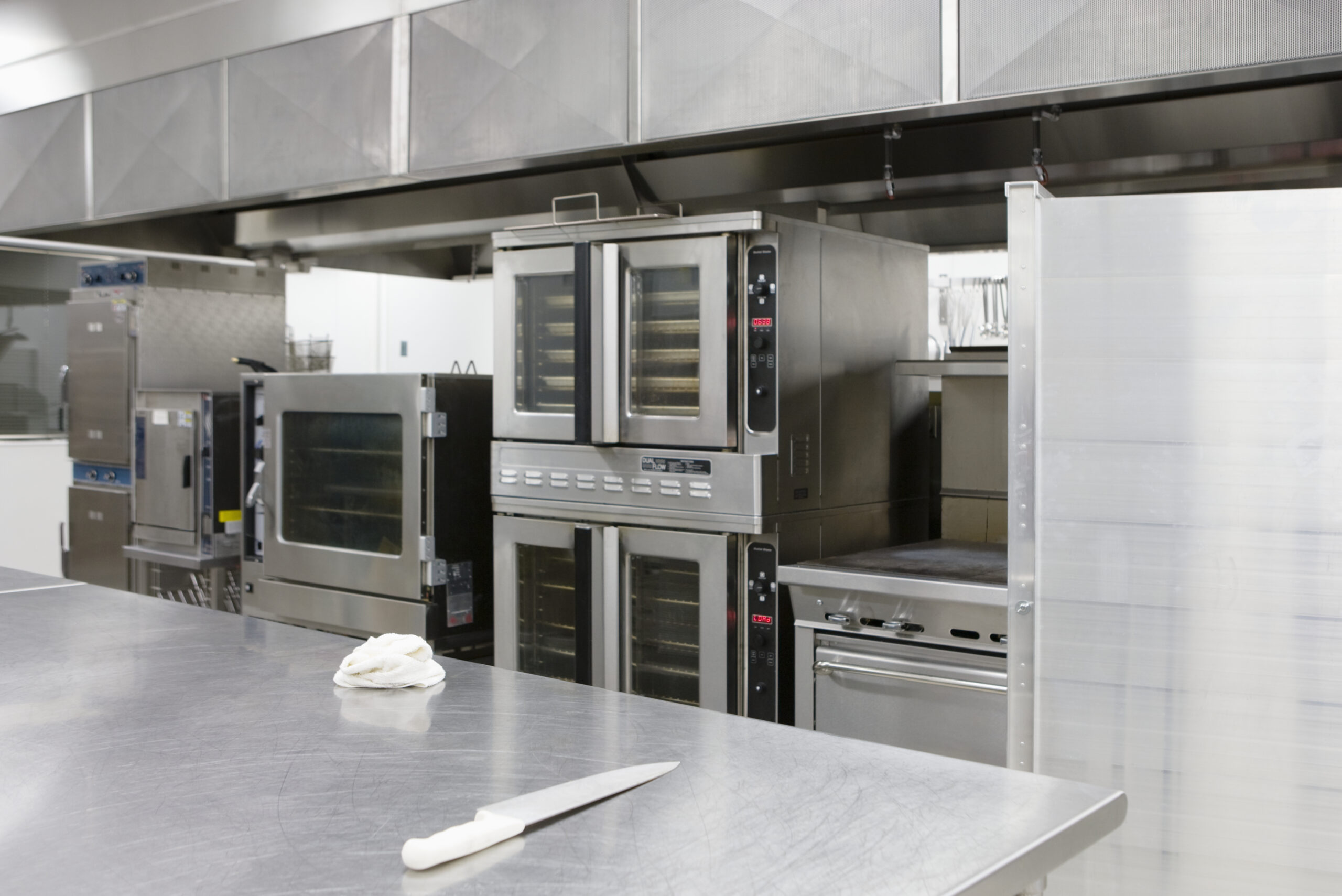
Capital expenditure (CAPEX) refers to money spent on acquiring, improving, or extending the useful life of long-term assets. Unlike everyday operating expenses, capital expenditures provide benefits over multiple years and are recorded as assets on the balance sheet.
Common examples of capital expenditures in restaurants include:
- Kitchen equipment and appliances
- Point-of-sale systems and technology upgrades
- Dining room furniture
- Store renovations and remodels
- HVAC systems
- Leasehold improvements
- Construction costs for new locations
- Drive-thru additions
- Security and surveillance systems
By contrast, expenses such as utilities, food supplies, cleaning materials, repairs, and labor costs are considered operating expenses (OPEX), which are recognized immediately on the income statement.
Because capital expenditures often involve large amounts of money, restaurant businesses must have a disciplined approach to tracking and approval.
Why CAPEX Tracking Matters
Capital spending directly affects cash flow, profitability, and the long-term value of the business. Proper tracking helps restaurant operators:
- Ensure projects stay within approved budgets.
- Prevent unauthorized purchases.
- Improve cash flow planning.
- Maintain accurate financial statements.
- Support depreciation calculations.
- Monitor return on investment.
- Provide accountability across departments.
- Prepare for audits and lender requirements.

Without structured monitoring, businesses may encounter cost overruns, duplicate purchases, or misclassifications that distort financial reporting.
Tracking Capital Expenditures from the Operations Side

Restaurant operations teams are often responsible for identifying capital needs. Whether replacing aging kitchen equipment or remodeling a dining room, operations personnel play a key role in initiating and managing projects.
Determining Whether Costs Are CAPEX or OPEX
One of the first steps is identifying whether a purchase should be capitalized or expensed.
Generally, expenditures that provide future economic benefits beyond one year are classified as CAPEX, while routine maintenance and recurring expenses are treated as OPEX.
For example:
CAPEX
- New oven installation
- Dining room remodel
- POS system implementation
- Walk-in freezer replacement
OPEX
- Equipment repairs
- Cleaning supplies
- Monthly software subscriptions
- Routine maintenance
Proper classification is important because it impacts both profitability and tax reporting.
Establishing a Formal Approval Process
Strong internal controls begin with a clear approval workflow. Before any project proceeds, management should evaluate:
- Business necessity
- Estimated costs
- Expected benefits
- Funding availability
- Project timeline
Depending on the amount involved, approvals may require authorization from:
- Restaurant managers
- Area directors
- Operations executives
- Ownership groups
- Finance departments
Having documented approvals minimizes unauthorized spending and promotes accountability.
Monitoring Budget Versus Actual Spending
Each project should have an approved budget before funds are committed. Throughout the project, actual expenditures should be compared against budgeted amounts.
Regular monitoring helps management identify:
- Cost overruns
- Vendor changes
- Scope modifications
- Delays affecting project costs
Early visibility allows management to take corrective action before projects exceed planned spending.
Tracking Capital Expenditures from the Accounting and Reporting Side
While operations teams oversee projects, the accounting function ensures that expenditures are accurately recorded and monitored.
Maintaining a Detailed CAPEX Schedule
A centralized capital expenditure tracker provides management with real-time visibility into investments across the organization.
The schedule should include:
- Date incurred
- Supplier or vendor name
- Description of expenditure
- Related project or location
- Actual amount spent
- Approved budget amount
- Variance between budget and actual
- Approval status
- Asset category

Maintaining this information enables management to monitor multiple projects simultaneously and quickly identify exceptions.
Recording Assets Properly
Accounting teams ensure that qualifying expenditures are capitalized rather than incorrectly expensed. Proper recording improves:
- Financial statement accuracy
- Asset tracking
- Depreciation calculations
- Tax compliance
- Balance sheet reporting
As projects are completed, assets are transferred into service and depreciation begins according to established accounting policies.
Reconciliation and Ongoing Monitoring
Accounting personnel should periodically reconcile:
- Vendor invoices
- Purchase orders
- General ledger accounts
- Fixed asset schedules
- Project budgets
These reconciliations ensure that expenditures are fully captured and that no duplicate or missing entries exist.
How Outsourced Accounting Improves CAPEX Monitoring

Many restaurant operators find that capital expenditure tracking consumes valuable time that operations leaders could spend improving guest service, labor management, and profitability.
Outsourced accounting services provide specialized support that removes much of the administrative burden.
An outsourced accounting team can:
- Review expenditures and determine whether they are CAPEX or OPEX.
- Maintain capital expenditure schedules.
- Track actual costs against approved budgets.
- Monitor project spending variances.
- Record assets in the general ledger.
- Manage fixed asset and depreciation schedules.
- Prepare monthly financial reports.
- Coordinate with vendors and operations teams.
- Ensure compliance with company policies.
This approach allows restaurant management to focus on daily operations and strategic growth rather than spending hours maintaining spreadsheets and reconciling invoices.
Real-Time Visibility Through Restaurant-Specific Accounting Software
Modern restaurant accounting platforms provide operators with immediate access to financial information. One example is Restaurant365 (R365), which integrates accounting, operations, and reporting into a single system.
Through R365’s general ledger and reporting tools, operators can access real-time information regarding:
- Capital expenditure transactions
- Budget-to-actual comparisons
- Vendor spending
- Project costs
- Fixed asset balances
- Financial statements
Because information is available continuously, management can identify issues early rather than waiting until month-end.
When combined with outsourced accounting support, restaurant operators benefit from both technology and specialized expertise. The accounting team manages the underlying processes while management receives timely, accurate, and actionable information.
Turning Capital Investments into Better Business Decisions
Capital expenditures represent some of the largest investments restaurant businesses make. Whether opening new locations, upgrading kitchen equipment, or remodeling dining rooms, every dollar spent should be monitored carefully.
A disciplined CAPEX process – supported by formal approvals, budget monitoring, and accurate accounting – helps ensure investments generate value and support long-term growth.
By partnering with an outsourced accounting provider, restaurant operators can gain stronger financial controls, better reporting, and greater visibility into capital projects. Most importantly, they free up operations teams to focus on what they do best: delivering exceptional guest experiences and growing the business.
For more information, please fill out the form below. We’ll circle back with you shortly to discuss your requirements in further detail.
We’d love to Meet You In Person Or Via The Web!
If you have any questions, or just want to learn more about how our services can contribute to your operation’s success, please fill out the form and we’ll respond as soon as we can. Alternatively, call us directly at (818) 888-9579.