Restaurant365 Workforce & Toast POS: How a Simple Overtime Issue Revealed Opportunities to Improve Labor Management
by John Laporte, President, RRFMG Technology Services
Labor is one of the largest controllable expenses in the restaurant industry, and even small inefficiencies can significantly impact profitability. Modern restaurant technology platforms such as Restaurant365 (R365) Workforce and Toast POS provide operators with powerful tools to manage labor costs, employee scheduling, and payroll. However, these systems are only as effective as the processes that support them.
During a recent client engagement, our team was asked to investigate a recurring overtime issue that management believed was being caused by Restaurant365 Workforce. At first glance, it appeared that the Workforce module was incorrectly calculating employee overtime. After a thorough review, however, we discovered that Restaurant365 was performing exactly as designed. The true causes were a combination of operational practices and POS configuration that originated in Toast.
The engagement ultimately became much more than an overtime investigation. It evolved into a comprehensive review of labor management practices, revealing opportunities to improve operational discipline, scheduling accuracy, and communication between management teams. Most importantly, it demonstrated how closely Restaurant365 Workforce and Toast POS work together and why successful labor management depends on both technology and well-defined operating procedures.
Understanding the Relationship Between Toast and Restaurant365 Workforce
Restaurant365 Workforce and Toast POS share employee scheduling, timekeeping, and labor information to provide restaurant operators with a complete picture of labor performance.
Toast serves as the primary time clock where employees clock in and out throughout the day. Those punches become the foundation for labor calculations that are synchronized with Restaurant365. Workforce then uses that information to calculate actual labor, overtime, reporting, payroll integration, and labor analytics.
Because these two systems are tightly integrated, inaccurate information entered into one system will inevitably appear in the other. Restaurant365 is not creating labor data – it is consuming and processing the labor data generated by Toast.

Understanding this relationship is critical when troubleshooting labor issues. Rather than assuming the reporting system is incorrect, implementation specialists should validate the entire flow of information from the original employee punch through final payroll reporting.
Beginning the Investigation

Our client reported consistent overtime that did not appear to match operational expectations. Managers believed employees were being scheduled appropriately, yet overtime continued to increase week after week.
Rather than immediately changing Workforce settings or payroll rules, we followed a structured troubleshooting methodology.
The investigation included:
- Reviewing employee timecards
- Validating overtime calculations
- Comparing scheduled hours versus worked hours
- Reviewing Workforce reports
- Examining Toast time punches
- Evaluating manager scheduling practices
- Reviewing synchronization between Toast and Restaurant365
This systematic approach quickly confirmed that Restaurant365 was calculating overtime correctly based on the information it was receiving.
The question then became:
Why was the labor data inaccurate before it ever reached Restaurant365?
Discovery One: Phantom Hours
The first issue became apparent during our review of employee timecards.
Several employees had forgotten to clock out at the end of their shifts.
Rather than managers correcting these missing punches before the end of the business day, Toast automatically closed the shifts during its End of Day process.
These automatically generated hours – commonly referred to as “phantom hours” – created additional labor that employees had never actually worked.
For example:
An employee scheduled until 4:00 PM forgets to clock out.
Instead of ending the shift at 4:00 PM, the system automatically closes the shift much later during the nightly End of Day process.
Restaurant365 receives the extended shift and accurately interprets it as actual worked time.
As these phantom hours accumulate across multiple employees and multiple days, they begin pushing employees into overtime even though no manager intentionally scheduled the additional hours.
Restaurant365 was functioning exactly as designed.
The operational process had failed long before the information reached Workforce.
Why Daily Timecard Reviews Matter
This finding highlighted an operational best practice that every restaurant should adopt.
Managers should review employee timecards every day – not simply at the end of the payroll period.
Daily reviews allow management to identify:
- Missing punches
- Early clock-ins
- Late clock-outs
- Forgotten meal breaks
- Long breaks
- Phantom hours
- Attendance exceptions
Correcting these issues immediately prevents inaccurate labor reporting, eliminates unnecessary payroll costs, and greatly reduces overtime surprises at the end of the week.
Technology can identify exceptions, but management must act on them.
Discovery Two: Tracing the Issue Back to Toast
After validating the phantom hours, we continued reviewing the labor flow between Toast and Restaurant365.
We discovered that several labor exceptions originated within Toast before the information was synchronized into Workforce.
This reinforced an important principle during Restaurant365 implementations:
Not every labor issue originates inside Restaurant365.
Many labor discrepancies begin with:
- POS configuration
- Time clock policies
- Employee permissions
- Scheduling practices
- Manager approval processes
Restaurant365 simply reports what it receives.
Because the integration faithfully transfers labor information from Toast, incorrect source data becomes incorrect reporting.
Whenever labor issues arise, implementation specialists should validate the complete integration chain rather than focusing solely on Workforce settings.
Looking Beyond Overtime
Many consulting engagements begin with one specific complaint but uncover larger operational opportunities.
Once the overtime issue was resolved, we reviewed additional labor metrics with the client.
One report immediately stood out.
Scheduled labor consistently differed from actual labor.
Although management believed employees were following the published schedule, the reporting told a different story.

Employees were:
- Staying later than scheduled
- Clocking in early
- Swapping shifts
- Covering additional work
- Extending shifts without proper management oversight
Individually these differences appeared minor.
Collectively they represented a significant increase in labor cost..
Scheduled Labor vs. Actual Labor
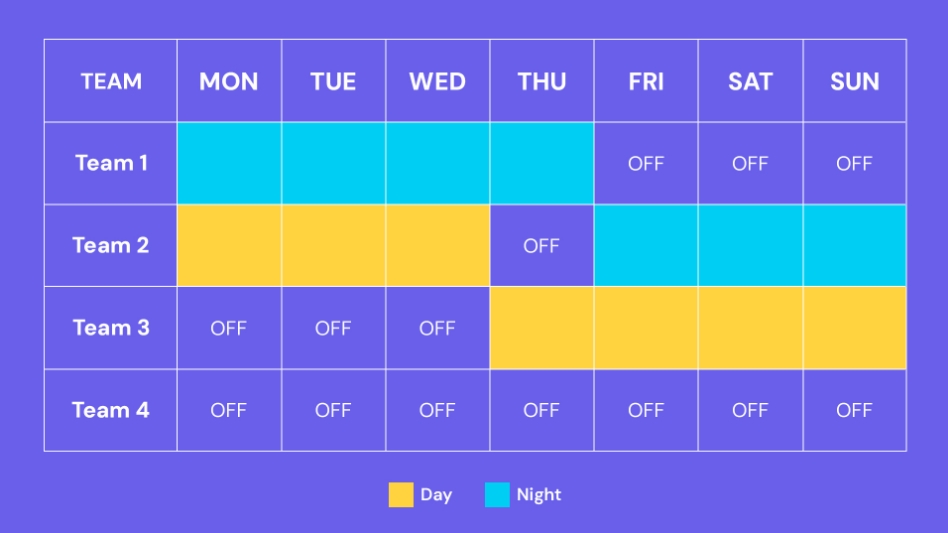
One of the most valuable reports available in Restaurant365 Workforce compares scheduled labor with actual labor.
This report provides management with insight into scheduling effectiveness.
Questions it helps answer include:
- Are employees working their scheduled shifts?
- Are managers controlling labor throughout the day?
- Are labor budgets realistic?
- Are schedules being followed?
- Which locations consistently exceed scheduled labor?
- Which departments regularly require additional staffing?
Many organizations review labor only after payroll has already been processed.
By then, the opportunity to reduce labor has passed.
Daily monitoring allows managers to make proactive staffing decisions before overtime occurs..
The Importance of Standard Operating Procedures
The Importance of Standard Operating Procedures
Technology alone cannot solve labor management challenges.
The most successful restaurant organizations combine technology with clear operational expectations.
One of our primary recommendations to the client was the creation of formal Standard Operating Procedures (SOPs) for labor management.
Every location should follow the same repeatable process.
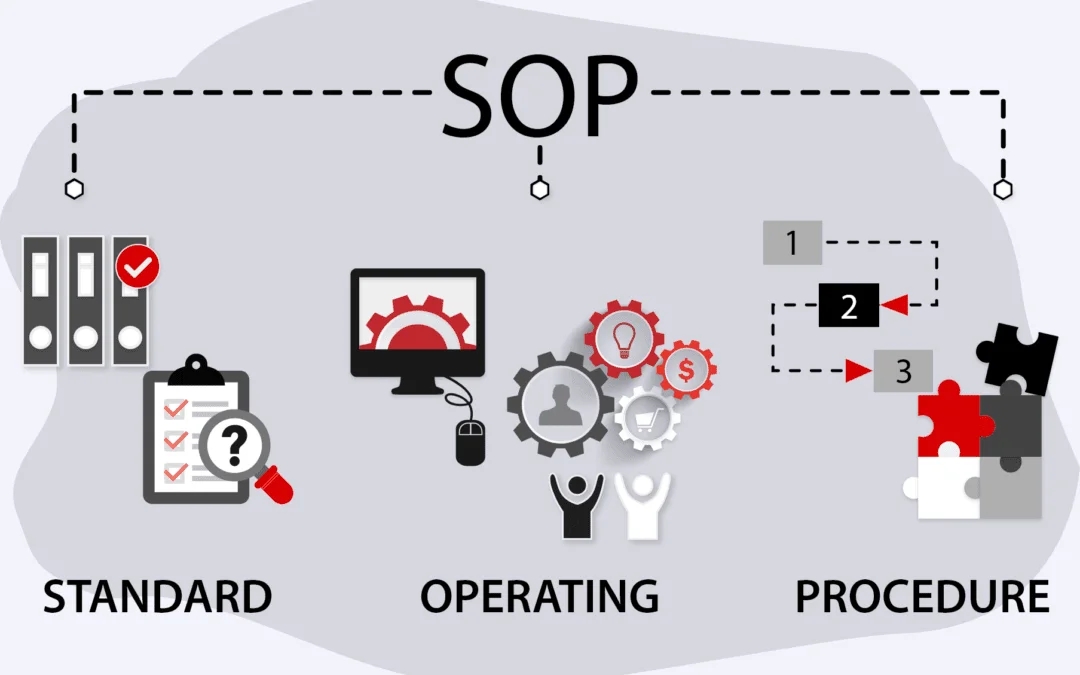
These procedures should include:
Daily Manager Responsibilities
- Review all employee punches before leaving each day
- Correct missing punches immediately
- Approve timecard exceptions
- Investigate employees approaching overtime
- Compare scheduled versus actual labor
- Review labor dashboards inside Restaurant365
Weekly Labor Reviews
Management should also conduct weekly reviews that include:
- Overtime analysis
- Labor percentage trends
- Schedule compliance
- Timecard exception reports
- Employee attendance
- Department labor performance
Establishing consistent review routines dramatically reduces payroll surprises.
Scheduling Techniques That Reduce Overtime
Good schedules begin long before employees clock in.
Restaurant365 Workforce provides managers with scheduling tools that can significantly reduce unnecessary labor costs.
Best practices include:
- Build schedules using historical sales trends
- Forecast labor using projected revenue
- Schedule to target labor percentages rather than estimated staffing
- Monitor employees nearing overtime before publishing schedules
- Balance labor across departments
- Review schedule variances daily
Managers should also understand that schedules are living documents.
Throughout each day they should adjust staffing based on business volume rather than allowing schedules to run unchanged regardless of customer traffic.
Technology Supports Decisions – It Does Not Replace Them

One of the biggest lessons from this engagement was that technology supports operational decisions but cannot replace active management.
Restaurant365 and Toast provided every report necessary to identify these labor issues.
The information already existed.
The challenge was ensuring someone reviewed it consistently.
Restaurants often invest heavily in technology while underinvesting in manager training.
The result is that powerful reporting capabilities remain unused.
The greatest return on technology investments comes when managers understand how to interpret the data and take corrective action every day.
Recommendations for Restaurant Operators
Based on this engagement, we recommend every restaurant organization adopt the following practices:
- Review employee timecards daily
- Eliminate phantom hours before payroll processing
- Validate Toast configuration whenever labor anomalies appear
- Monitor scheduled labor versus actual labor every day
- Investigate overtime before it occurs rather than after payroll closes
- Develop formal labor management SOPs
- Train every manager on Workforce reporting
- Conduct weekly labor performance reviews
- Use Restaurant365 forecasting tools to improve scheduling accuracy
- Regularly audit integrations between Toast and Restaurant365

Conclusion
What began as an investigation into overtime ultimately became a broader lesson in operational excellence.
Restaurant365 Workforce accurately calculated labor based on the information it received. The underlying issues originated from operational practices and source data within Toast, illustrating the importance of understanding how integrated restaurant systems work together.
By identifying phantom hours, validating the Toast integration, reviewing scheduling practices, and comparing scheduled labor against actual labor, the client gained a much clearer understanding of where unnecessary labor costs were occurring. More importantly, the organization now has a roadmap for preventing those issues rather than simply reacting to them.
The most successful restaurant operators recognize that labor management is not a once-a-week payroll activity. It is a daily discipline supported by technology, guided by consistent operating procedures, and reinforced through manager accountability.
Restaurant365 Workforce and Toast provide exceptional visibility into labor performance. When paired with well-designed Standard Operating Procedures (SOP), proactive scheduling techniques, and daily management review, they become powerful tools for controlling one of the restaurant’s largest operating expenses while improving operational consistency across every location.













Leave A Comment