
How Smart Restaurant Operators Gain Control of Cash Flow
by Ariane Ramil, VP, Development
How Smart Restaurant Operators Gain Control of Cash Flow
Cash flow management is the discipline of tracking, analyzing, and optimizing the movement of cash into and out of a business. For restaurants – where margins are tight, sales can fluctuate daily, and costs are often front-loaded – effective cash flow management is not just a finance function; it is a critical operational priority. Without strong oversight, even profitable restaurants can find themselves struggling to meet payroll, pay suppliers, or invest in growth.
At its core, cash flow management ensures that a restaurant maintains sufficient liquidity to operate smoothly while maximizing the use of available cash. This requires a combination of real-time operational visibility and disciplined financial controls – two areas where many restaurant organizations face challenges due to limited internal bandwidth.
Cash Flow Management From An Operations Perspective

From the restaurant floor to the back office, cash flow begins with daily transactions. Managing it effectively requires consistent monitoring and structured processes.
- Daily Monitoring of Cash and Credit Card Deposits
Restaurants generate revenue through a mix of cash, credit cards, and digital payments. Ensuring that all collections are accurately recorded and deposited is the first step in safeguarding cash flow.
Daily deposit tracking involves:
- Reconciling point-of-sale (POS) sales with actual cash on hand
- Verifying that credit card batches are settled and transmitted
- Ensuring deposits are prepared and sent to the bank promptly
Delays or discrepancies at this stage can create immediate cash flow gaps and increase the risk of loss or misappropriation.
- Timely Bank Deposits
Operational discipline around deposits is essential. Cash should be deposited daily (or per company policy), and credit card settlements should be monitored to confirm funds are received within expected timelines.
Late deposits can distort cash visibility and impact the ability to fund upcoming expenses. For multi-unit operators, inconsistencies across locations can compound this issue quickly.
- Cash Short/Over Review and Escalation
Variances between expected and actual cash – commonly referred to as “short/over” – are inevitable in a high-volume environment. However, unmanaged variances can indicate deeper issues such as process gaps, training deficiencies, or even fraud.
A structured review process should include:
- Daily logging of variances
- Thresholds for escalation
- Timely communication to restaurant managers
- Root cause analysis and corrective action
This ensures accountability at the store level while protecting overall cash integrity.
Cash Flow Management From A Financial Accounting Perspective
While operations generate the data, the accounting function ensures its accuracy, completeness, and usefulness for decision-making.
- Bank Reconciliation
Bank reconciliation is a foundational control that verifies whether recorded transactions match actual bank activity. For restaurants, this includes both cash deposits and credit card receipts.
Regular reconciliation helps:
- Confirm that all deposits have been received by the bank
- Identify missing or delayed credit card settlements
- Detect errors or unauthorized transactions

Ideally, reconciliations should be performed daily or at least weekly to maintain real-time visibility.
- Monitoring Credit Card Deposits
Credit card transactions often involve multiple intermediaries, processing fees, and settlement timelines. Without proper tracking, it can be difficult to determine whether the full amount owed has been received.
A robust process includes:
- Matching POS sales to processor reports
- Accounting for fees and chargebacks
- Tracking settlement timing by provider
This ensures that revenue is fully realized and accurately reflected in financial records.
- Cash Forecasting
Cash forecasting provides a forward-looking view of liquidity by estimating future inflows and outflows. For restaurants, this is particularly valuable given the cyclical nature of sales and recurring obligations such as payroll, rent, and supplier payments.
A strong cash forecast should:
- Incorporate historical sales trends and seasonality
- Include scheduled disbursements and upcoming liabilities
- Be updated regularly (weekly or even daily for tighter control)
This enables management to anticipate shortfalls, optimize payment timing, and make informed operational decisions.
The Role Of Outsourced Accounting In Cash Flow Management

Managing all these processes internally can place significant strain on restaurant operators, whose primary focus should be delivering excellent guest experiences and driving sales.
Outsourced accounting services – particularly those based in the Philippines – offer a strategic solution by taking over key financial processes while maintaining high standards of accuracy and timeliness.
- Process Ownership and Consistency
Outsourced teams can handle:
- Daily sales and deposit reconciliation
- Bank and credit card reconciliations
- Cash variance analysis and reporting
- Cash flow forecasting
With dedicated resources and standardized procedures, these processes are executed consistently across all locations.
- Real-Time Monitoring and Reporting
Outsourced accounting teams operate as an extension of the business, providing timely insights into cash positions. This allows restaurant management to:
- Identify issues early
- Make proactive decisions
- Maintain tighter control over liquidity
- Operational Efficiency
By shifting accounting responsibilities to an outsourced provider, restaurant managers and operations teams are freed from time-consuming administrative tasks. This allows them to focus on:
- Improving service quality
- Managing staff and labor costs
- Driving revenue growth
In essence, outsourcing aligns responsibilities with expertise – finance professionals manage cash flow, while operators manage the business.
- Cost-Effective Scalability
Outsourcing to the Philippines provides access to highly skilled accounting professionals at a lower cost compared to building an in-house team. As the restaurant business grows, the outsourced model can scale efficiently without significant overhead increases.
Leveraging Technology: The Role of Restaurant-Specific Software
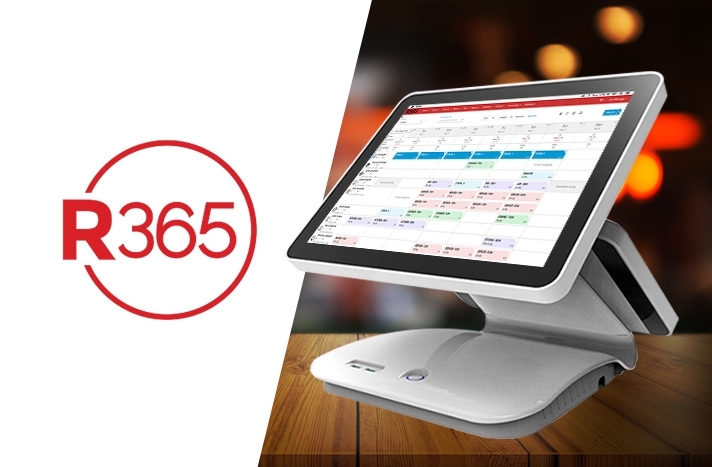
Technology plays a critical role in enabling efficient cash flow management. Restaurant-specific accounting platforms like Restaurant365 (R365) are designed to integrate operational and financial data seamlessly.
- POS Integration
One of the key advantages of systems like R365 is direct integration with POS systems. This allows:
- Automatic capture of daily sales data
- Real-time visibility into revenue by location
- Accurate and timely deposit reporting
Operators no longer need to rely on manual data entry or delayed reports.
- Automated Reconciliation
R365 can streamline reconciliation processes by:
- Matching POS sales with bank and credit card data
- Flagging discrepancies for review
- Reducing manual effort and errors
This accelerates the close process and improves data reliability.
- Real-Time Reporting
With centralized data, restaurant operators and finance teams can access:
- Daily cash position reports
- Deposit tracking dashboards
- Variance analysis
This level of visibility is essential for proactive cash management.
- Enhanced Forecasting
Integrated systems provide a solid data foundation for forecasting. Historical trends, current sales, and upcoming obligations can be analyzed within a single platform, improving the accuracy of cash projections.
Bringing It All Together
Effective cash flow management in the restaurant industry requires a coordinated effort between operations, accounting, and technology. Daily discipline around deposits, structured reconciliation processes, and forward-looking forecasting are all essential components.
However, the reality for many restaurant organizations is that internal teams are already stretched thin. By leveraging outsourced accounting services – particularly in a cost-effective and talent-rich market like the Philippines – businesses can strengthen their financial controls without overburdening their operations teams.
When combined with purpose-built technology like Restaurant365, outsourcing creates a powerful framework for real-time visibility, accuracy, and scalability.
The result is a more resilient business – one that not only understands its cash position at any given moment but can also anticipate future needs, respond to challenges, and invest confidently in growth.