
Mastering R365’s AvT Leads To Greater Food Cost Control & Profitability
by John Laporte, President, RRFMG Technology Services
Mastering R365’s AvT Leads To Greater Food Cost Control & Profitability
Restaurant operators often focus heavily on labor, sales growth, and guest experience, but one of the most powerful financial management tools available in Restaurant 365 (R365) is frequently implemented last: Actual vs. Theoretical Food Cost, commonly referred to as AvT.
While AvT provides tremendous insight into profitability and operational execution, it is also one of the most dependent features within the R365 ecosystem. For AvT reporting to be accurate and actionable, every foundational process in the restaurant operation must already be functioning correctly.
Focus On Your Foundation First
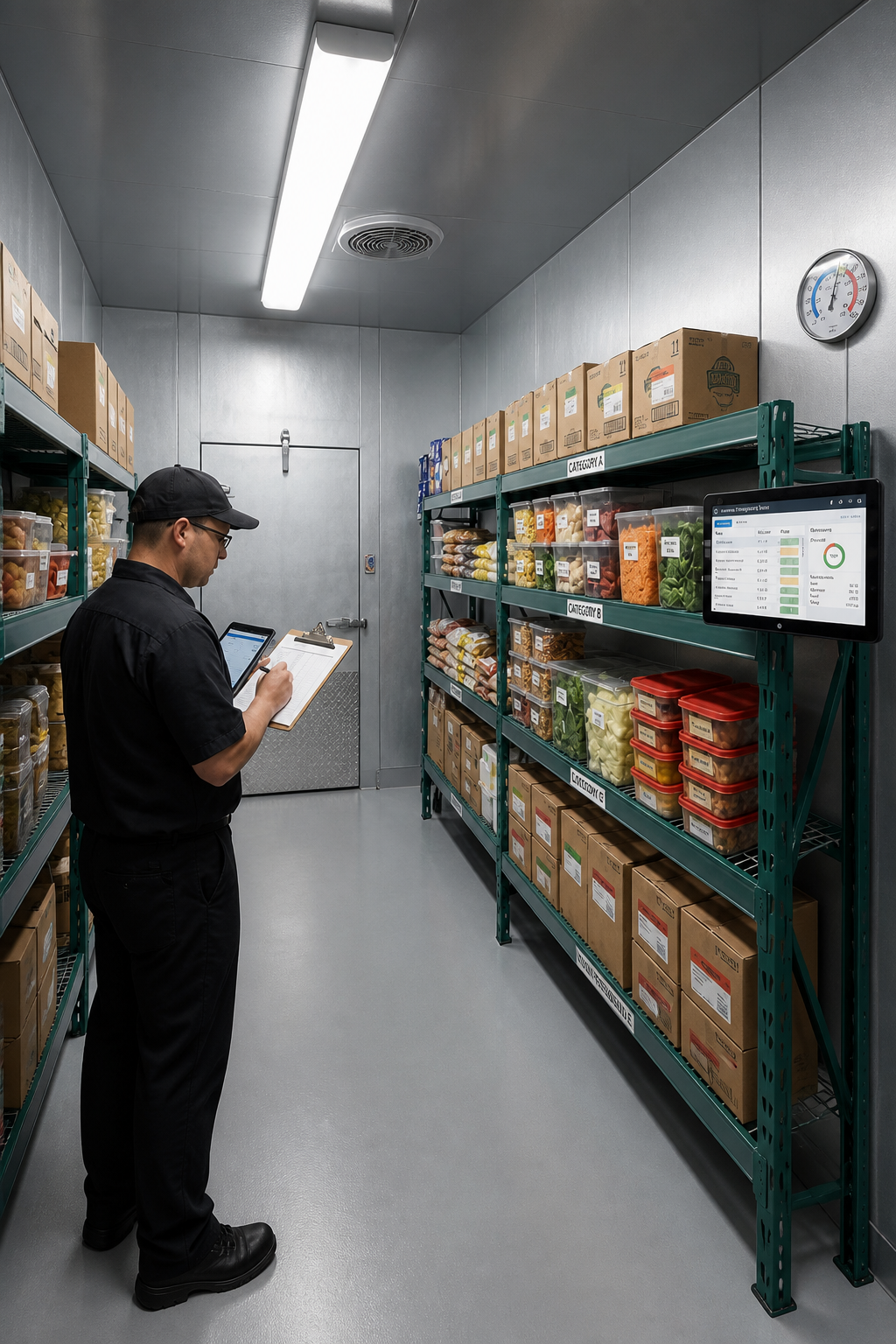
Successful AvT reporting requires disciplined purchasing procedures, accurate receiving practices, consistent and precise physical inventories, well-maintained recipes, and detailed tracking of waste, transfers, and donations.
If any of these operational pillars are weak or inconsistent, the AvT numbers quickly lose credibility with operations teams.
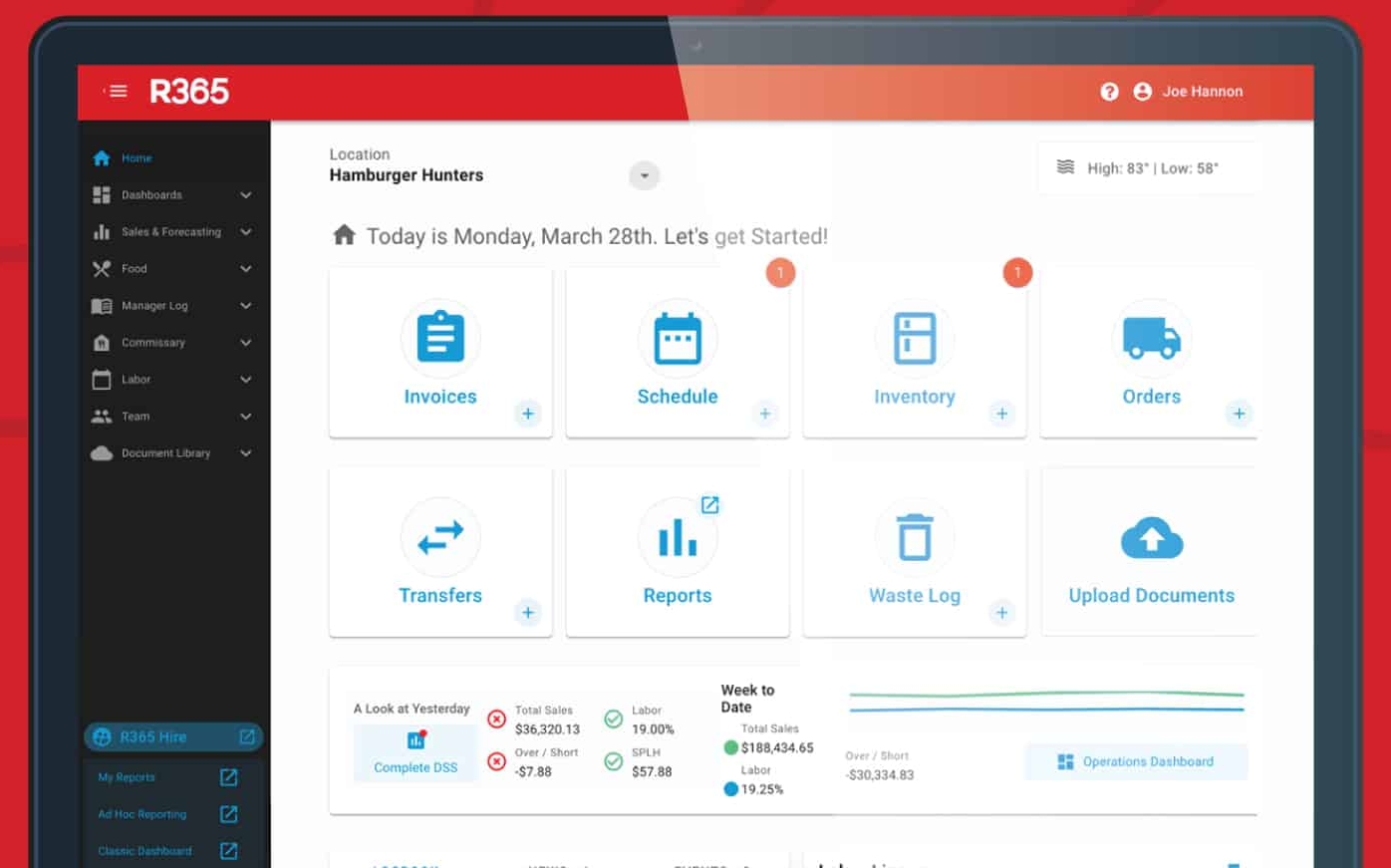
This is why experienced R365 implementation specialists typically recommend postponing AvT until all other core accounting and inventory workflows are stabilized.
Simplicity Is Your Ally
Another major factor that impacts the success of theoretical food cost tracking is menu complexity.
The more customizable the menu, the more difficult it becomes to maintain accurate theoretical costing.
For simple restaurant concepts with limited guest modifications, the best practice is often to create separate recipes for each menu variation. Although this requires maintaining multiple iterative recipes for essentially the same menu item, the results are highly accurate and create strong confidence in the data from both accounting and operations teams.
For example, a simple burger concept with only a few topping options can easily maintain separate recipes for a standard cheeseburger, bacon cheeseburger, or double burger. Since guest modifications are limited, recipe maintenance remains manageable and theoretical cost reporting stays reliable.
More Complex Concepts Require A Different Strategy
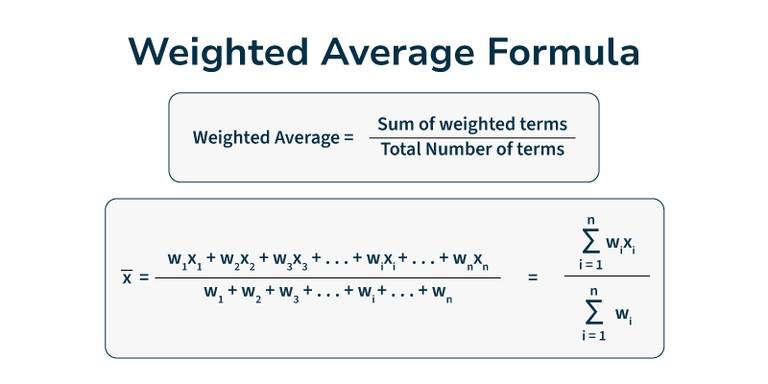
Restaurants with highly customizable menus – such as Mexican, Asian, or fast-casual concepts – often benefit more from a weighted average costing methodology.
This approach uses historical sales mix data to calculate average protein or modifier usage across menu items.
Take a quesadilla as an example.
If historical sales show that 25% of quesadillas are sold with steak, 50% with chicken, and 25% with shrimp, the operator can build a blended recipe that incorporates each protein cost proportionally. Instead of maintaining dozens of recipe variations, the restaurant creates a practical weighted average that more accurately reflects real-world sales behavior while dramatically reducing maintenance complexity.
Another possible approach is to create separate protein recipes linked directly to specific modifiers.
For example, a modifier called “Chicken 6oz” could be tied to a recipe containing exactly six ounces of chicken. While this sounds ideal in theory, the practical application can become difficult to maintain at scale.
Additionally, R365’s ability to consistently track modifier-level usage is not always perfect, making this method less reliable in high-volume environments.
Conclusion
When implemented correctly, AvT becomes an incredibly powerful management tool. With protein costs – especially beef – continuing to rise, restaurant operators must closely manage inventory movement and product usage.
R365 provides visibility not only into Actual vs. Theoretical food cost, but also into waste, transfers, and donations.
Armed with this information, restaurant leadership gains a complete understanding of how ingredients move throughout the business, allowing them to establish realistic margin expectations, improve operational discipline, and hold teams accountable for profitability.