Your Restaurant’s Inventory May Be Eating Your Profits
by Ariane Ramil, VP, Development
As every restaurant operator knows (or should), inventory is more than food sitting in a walk-in cooler or bottles stored behind the bar. It represents a significant investment of cash – and when inventory is not properly monitored and valued, it can quietly erode profitability.
Restaurant operators often focus on sales and labor costs when evaluating performance. However, inventory valuation and turnover are equally important. The accuracy of inventory records directly affects Cost of Goods Sold (COGS), gross profit, net income, cash flow, and ultimately the financial health of the restaurant.
With restaurant-specific accounting platforms such as Restaurant365 (R365), integrated POS systems, and outsourced accounting teams, restaurant operators can gain better visibility into inventory and make more informed decisions.
What Is Inventory in a Restaurant?
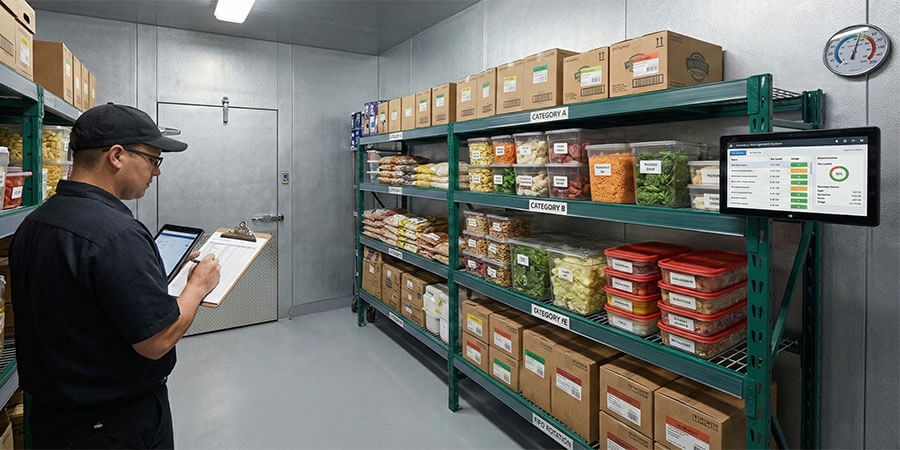
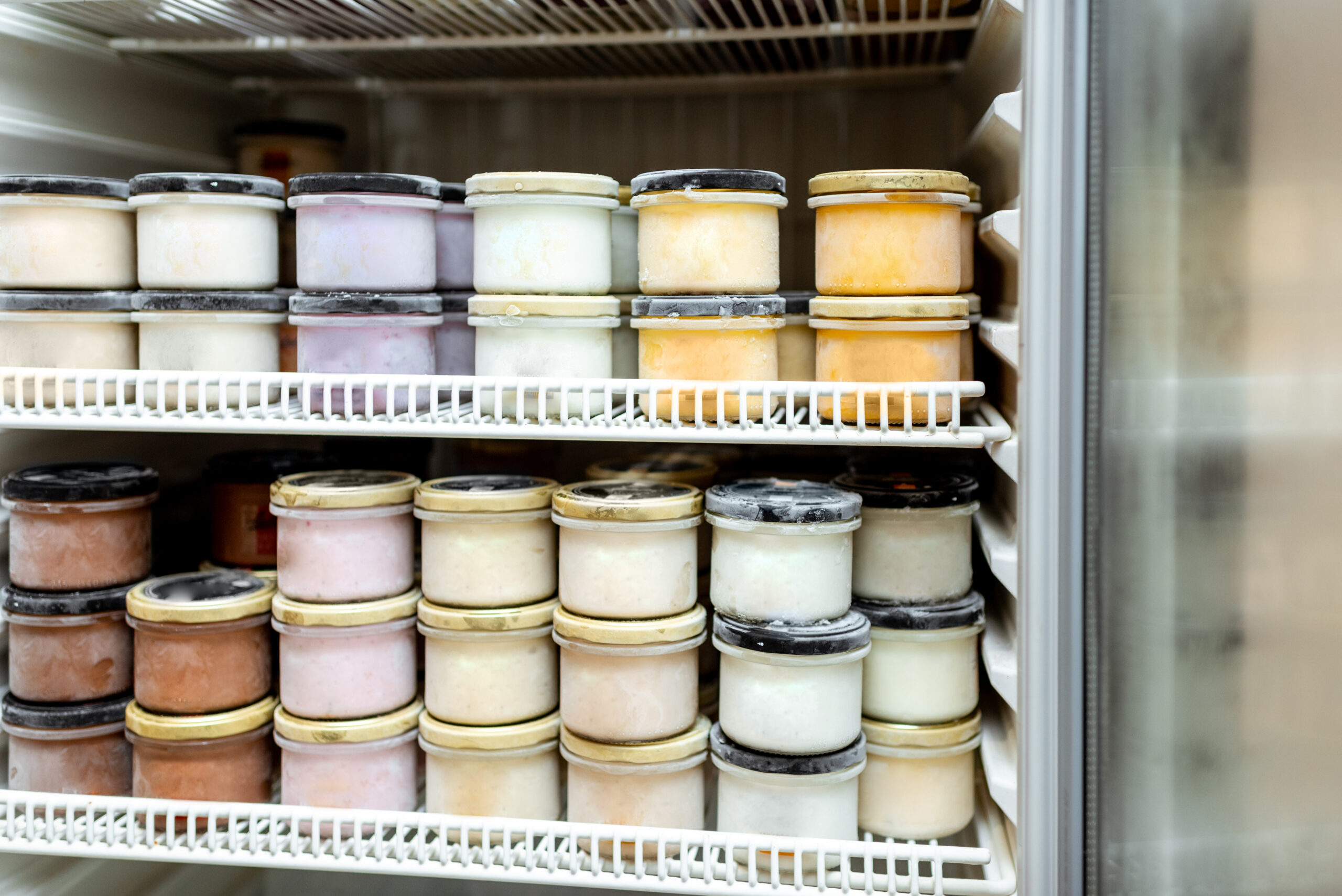
Restaurant inventory generally consists of the food, beverages, packaging, and other supplies used to operate the business.
Typical restaurant inventory includes:
- Meat, seafood, poultry, and other proteins
- Produce and dairy products
- Dry goods and pantry ingredients
- Frozen products
- Alcoholic and non-alcoholic beverages
- Condiments, spices, and cooking ingredients
- To-go containers and other operating supplies
Unlike many traditional businesses, restaurant inventory is highly perishable. Food can spoil, beverages can expire, and products can be lost through waste, theft, over-portioning, or incorrect storage.
Because of this, restaurants need both accurate inventory valuation and effective inventory turnover management.
Why Is Correct Inventory Valuation Important?
Inventory valuation determines the dollar value assigned to the products remaining on hand at the end of an accounting period.
This value is critical because ending inventory is directly connected to COGS.
The basic calculation is:
Beginning Inventory + Purchases – Ending Inventory = Cost of Goods Sold
For example, if a restaurant begins the month with $50,000 of inventory, purchases $100,000 during the month, and ends with $40,000 of inventory:
$50,000 + $100,000 – $40,000 = $110,000 COGS
If ending inventory is overstated by $10,000, reported COGS would be understated by $10,000.
That means gross profit – and potentially net income – would be overstated.
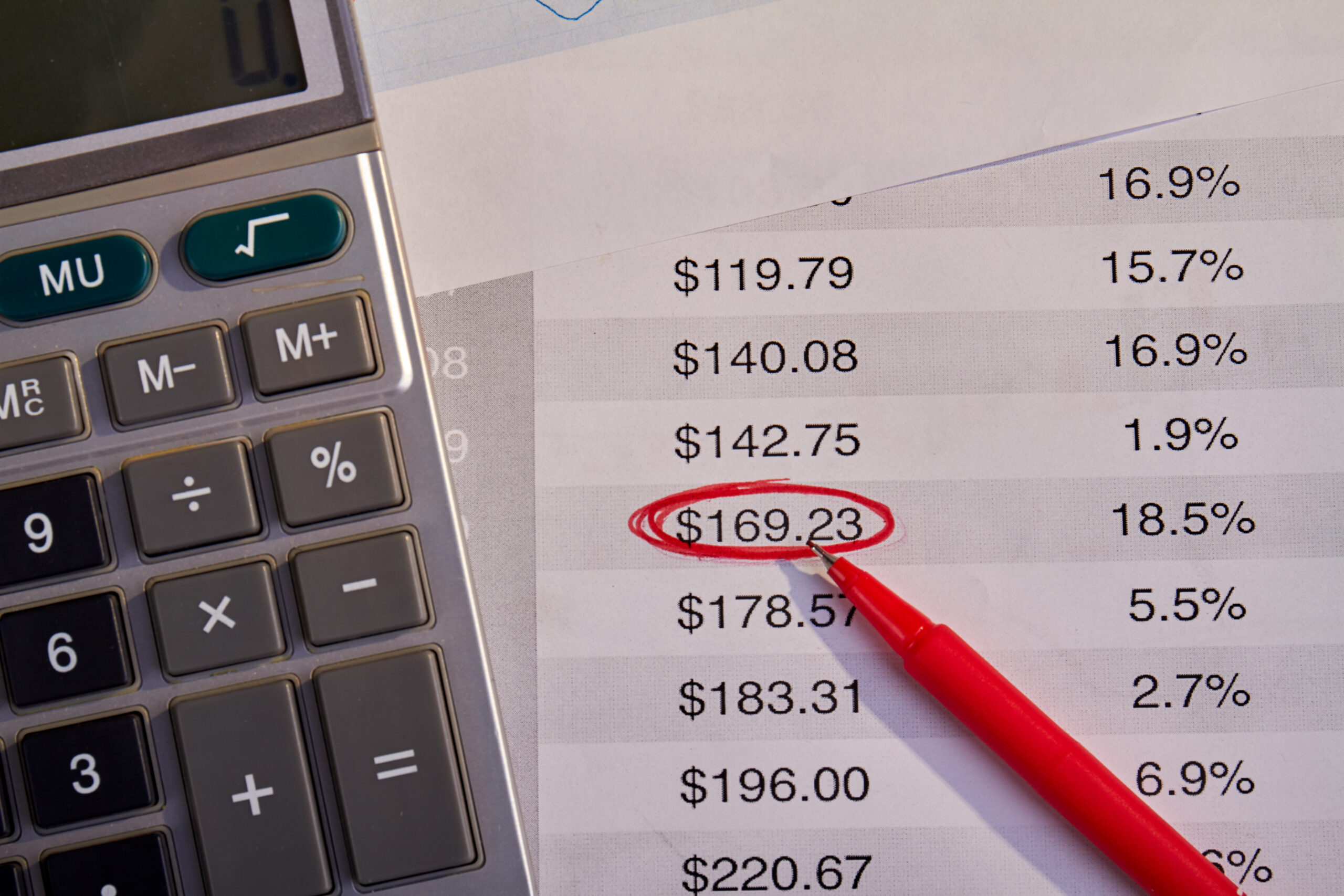
The opposite is also true. If inventory is understated, COGS will be overstated and profitability will appear lower than it actually is.
This is why inventory valuation is not simply an operational exercise. It is a financial reporting issue that can materially affect a restaurant’s reported profitability.
Common Inventory Valuation Methods
The Importance of Standard Operating Procedures
Restaurants may use different inventory valuation methods depending on their accounting policies, inventory characteristics, and reporting requirements.
- FIFO – First In, First Out
Under FIFO, the oldest inventory purchased is assumed to be used first.
This method can be particularly intuitive for restaurants because it aligns with the operational practice of using older products before newer products, especially for perishable food.
FIFO can also provide a reasonable representation of inventory costs when products are rotated properly.
- Weighted Average Cost
Under the weighted average method, the average cost of inventory is calculated based on the costs of units purchased.
This can be useful for restaurants that purchase the same ingredients frequently at different prices. Instead of tracking every individual purchase cost, the restaurant applies an average cost to the inventory.
- Specific Identification
Specific identification assigns the actual cost to specific inventory items.
While this approach can be appropriate for unique or high-value items, it is generally less practical for restaurants with hundreds or thousands of frequently purchased ingredients.
The important point is not necessarily which method a restaurant chooses, but that the method is consistently applied and accurately reflected in the accounting records.
How Often Should Restaurants Count Inventory?
Inventory counting frequency depends on the restaurant’s size, concept, product mix, and management needs.
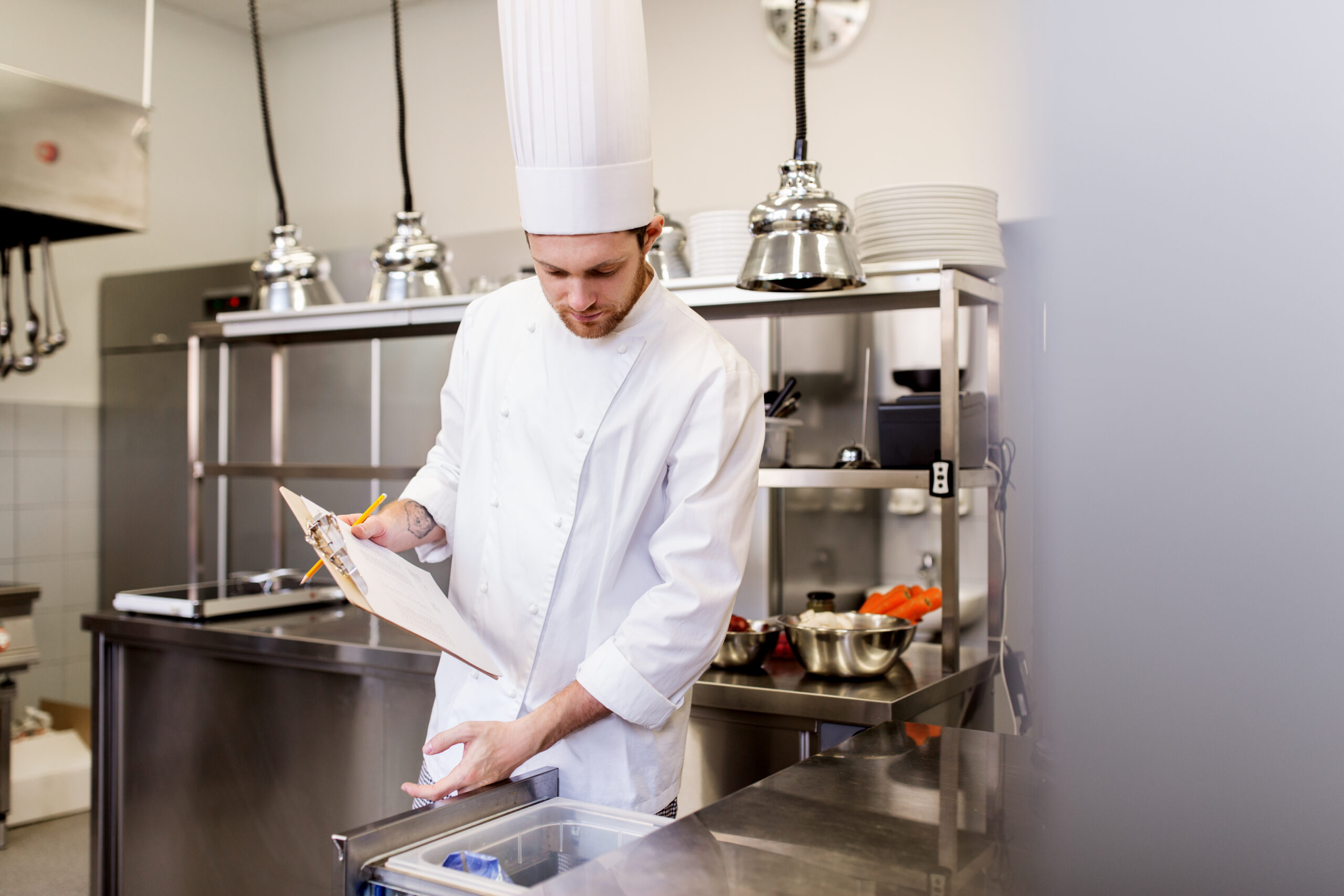
A common approach is to perform a physical inventory count at least monthly for financial reporting purposes.
However, restaurants should not wait until month-end to monitor inventory performance.
High-value or high-risk items – such as meat, seafood, liquor, and other expensive ingredients – may benefit from weekly or even more frequent counts.
Some restaurants use a combination of:
- Daily monitoring of high-risk products
- Weekly spot checks
- Weekly or periodic cycle counts
- Full physical inventory counts at month-end
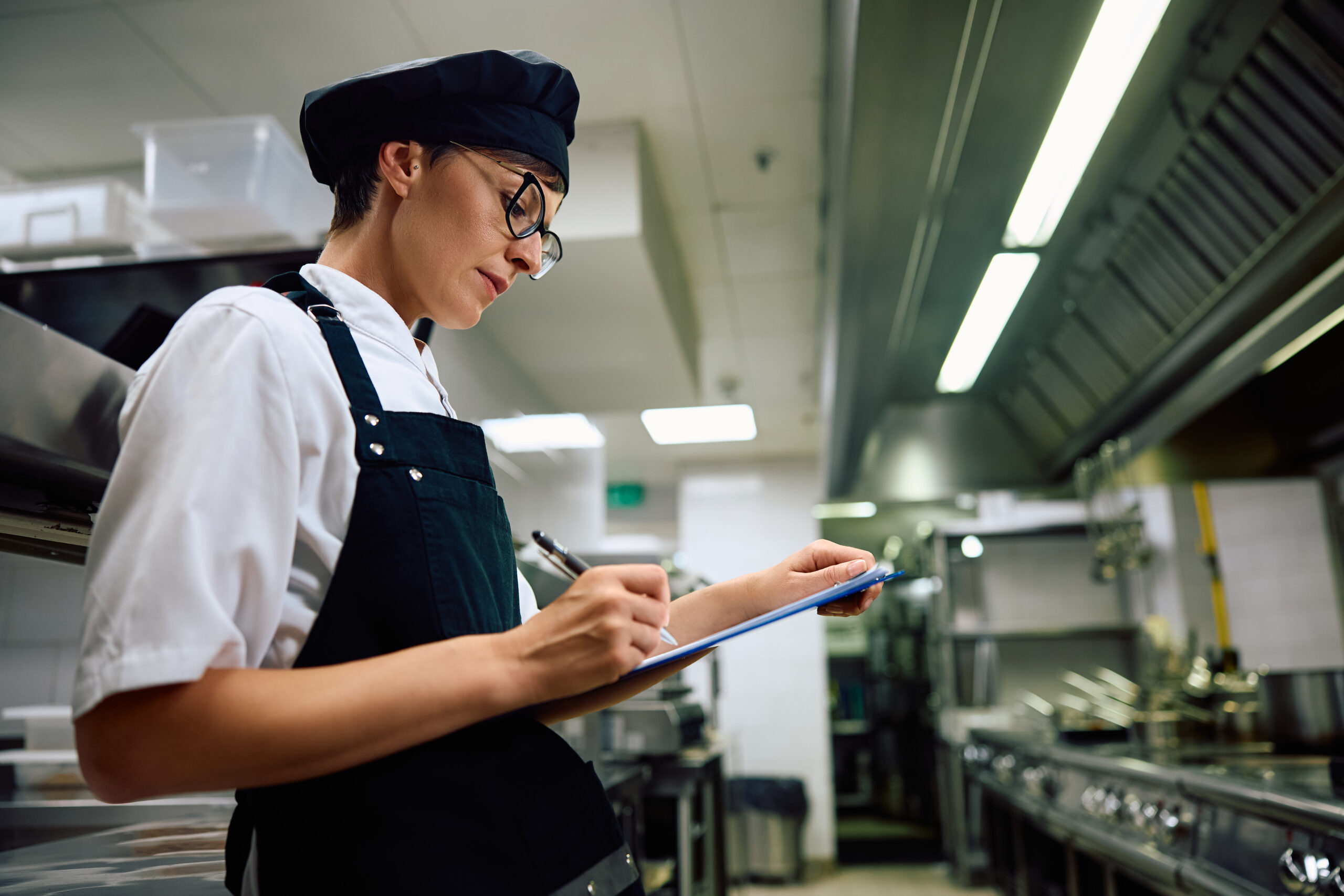
The goal is to identify problems early rather than discovering a significant inventory variance after the accounting period has already closed.
Inventory Turnover: Measuring How Efficiently Inventory Is Used
Inventory valuation tells restaurant operators how much inventory they have. Inventory turnover tells them how efficiently they are using it.
Inventory turnover can be calculated as:
Inventory Turnover = COGS ÷ Average Inventory
A higher turnover generally indicates that inventory is being used and replenished efficiently. However, extremely high turnover may also indicate that inventory levels are too low, potentially creating stockouts.
Low turnover can signal excess purchasing, slow-moving products, spoilage, poor menu performance, or inadequate inventory controls.
For restaurant operators, the objective is not simply to maximize turnover. It is to maintain the right amount of inventory to support operations while minimizing waste and excess cash tied up in stock.
The Role of R365 and POS Integration
Technology has significantly improved how restaurants monitor inventory.
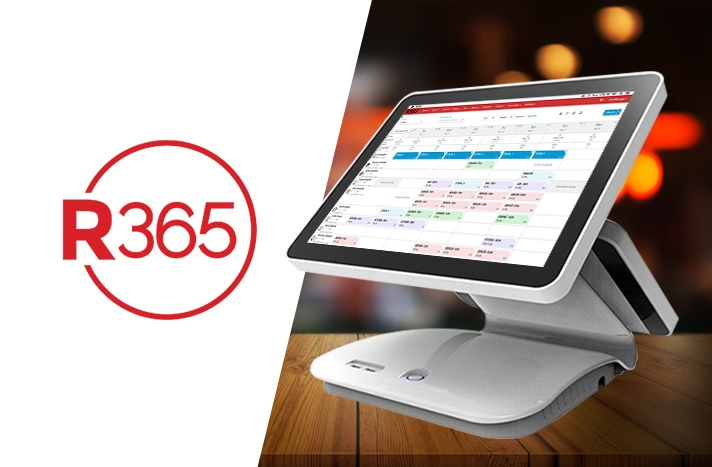
Restaurant-specific accounting platforms such as Restaurant365 (R365) can integrate accounting, purchasing, inventory, and operational data into one environment. When connected with the restaurant’s POS, sales information can be used alongside purchasing and inventory data to provide more timely visibility into food and beverage usage.
POS data is particularly valuable because it provides information about what was actually sold.
For example, if a restaurant sells 500 burgers, the theoretical usage of burger patties, buns, cheese, and other ingredients can be calculated based on recipes and portion standards. Management can then compare theoretical usage against actual inventory usage.
This creates an opportunity to identify variances caused by:
- Over-portioning
- Food waste
- Spoilage
- Theft
- Incorrect recipes
- Incorrect inventory counts
- Purchasing or receiving errors
The integration of POS, purchasing, inventory, and accounting information can therefore move inventory management from a manual, backward-looking process toward a more proactive and data-driven approach.
How Outsourced Accounting Supports Inventory Management

Even with sophisticated technology, accurate inventory reporting still depends on disciplined processes.
This is where an outsourced accounting team can provide significant value.
An experienced restaurant accounting team in the Philippines can support the back-office processes surrounding inventory, including recording vendor invoices, maintaining accurate item and GL coding, reconciling purchases, reviewing inventory reports, assisting with month-end inventory adjustments, and analyzing inventory-related variances.
The accounting team can also help ensure that inventory balances in the accounting system agree with operational records and that unusual changes are investigated before financial statements are finalized.
More importantly, outsourcing allows restaurant leadership to separate transaction processing from management decision-making. The outsourced team handles the detailed accounting work while restaurant operators and leadership focus on questions such as:
- Why did food cost increase this month?
- Why is inventory turnover declining?
- Which products are overstocked?
- Are purchasing levels consistent with sales?
- Are theoretical and actual usage materially different?
- Is inventory tying up too much cash?
Turning Inventory Data Into Better Restaurant Decisions
Inventory is one of the most controllable areas of restaurant operations. But controlling it requires more than performing a month-end count.
Restaurants need accurate valuation, consistent counting procedures, timely invoice processing, reliable POS data, and regular analysis of inventory turnover and usage variances.
When R365, POS systems, and an experienced outsourced accounting team work together, restaurant operators can gain a clearer picture of what is happening to their inventory – and, more importantly, how those inventory decisions are affecting profitability.
Accurate inventory valuation is not just about getting the balance sheet right. It is about getting the restaurant’s profitability right.
For restaurant owners and operators, that makes inventory management an accounting priority, an operational priority, and ultimately, a profitability priority.
For more information, please fill out the form below. We’ll circle back with you shortly to discuss your requirements in further detail.
We’d love to Meet You In Person Or Via The Web!
If you have any questions, or just want to learn more about how our services can contribute to your operation’s success, please fill out the form and we’ll respond as soon as we can. Alternatively, call us directly at (818) 888-9579.













Leave A Comment